When your pet experiences vomit and diarrhea, it can be a cause for concern. At Doggie Dude Ranch in Ames, IA, we understand how distressing these symptoms can be for pet owners. This article aims to provide important information on why your pet may experience these issues and when to seek the help of a veterinarian.
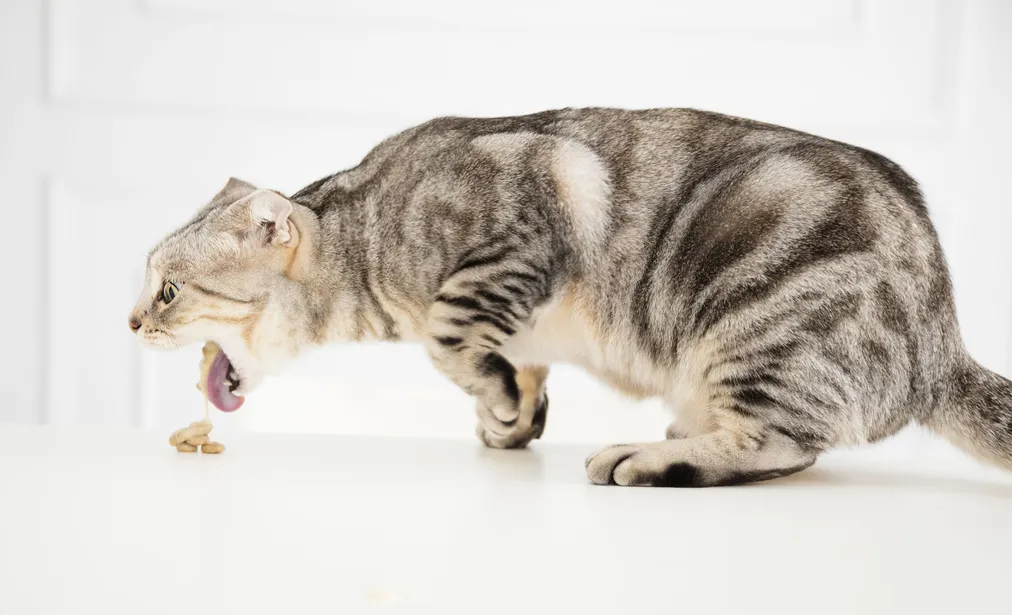
Common Causes of Vomit and Diarrhea
There are numerous reasons why pets may vomit or have diarrhea. These symptoms can be triggered by dietary indiscretion, such as eating something they shouldn’t, or changes in their diet. Stress can also lead to gastrointestinal upset in pets, as can infections caused by bacteria or parasites. It's important to monitor your pet's behavior and any changes in their eating habits, as these can help determine the underlying cause of their symptoms.
Recognizing Symptoms
When a pet is experiencing vomit or diarrhea, it is crucial to pay attention to the frequency and severity of these symptoms. Occasional vomiting or diarrhea may not be serious, but persistent cases can lead to dehydration and other complications. Signs that you should contact a veterinarian include:
- Vomiting more than once in a 24-hour period
- Diarrhea that lasts more than a day
- Presence of blood in vomit or diarrhea
- Lethargy or lack of appetite
If you notice any of these signs, it is advisable to consult a veterinarian near you for a proper evaluation.
When to See a Veterinarian
If your pet’s vomit and diarrhea persist, it is essential to seek professional help. A veterinarian can perform a thorough examination and determine if there is a serious underlying condition that needs treatment. In some cases, your veterinarian may recommend diagnostic tests, such as blood work or imaging, to identify the cause of the symptoms. At Doggie Dude Ranch, our veterinarian is dedicated to providing quality pet care. We understand that pets are family, and their health is of utmost importance.
Treatment Options
Treatment for vomit and diarrhea will depend on the underlying cause. In many cases, the veterinarian may suggest a temporary fasting period, followed by a bland diet to help soothe the digestive system. If your pet is dehydrated, the veterinarian may administer fluids to help restore hydration levels. Additionally, medication may be prescribed to address specific issues or to alleviate symptoms.
Preventing Vomit and Diarrhea
To help prevent future incidents of vomit and diarrhea, consider maintaining a consistent diet for your pet and gradually transitioning to new foods if necessary. Regular veterinary check-ups can also help catch potential issues early on. Ensuring your pet's environment is stress-free and safe from harmful substances is also key in preventing these gastrointestinal disturbances.
Contact Doggie Dude Ranch in Ames, IA
If your pet is experiencing vomit and diarrhea, do not hesitate to seek advice from a veterinarian. At Doggie Dude Ranch in Ames, IA, we are here to assist you in ensuring your pet's health and well-being. Call our office at (515) 382-1444 to schedule an appointment or for more information about our pet care services.